
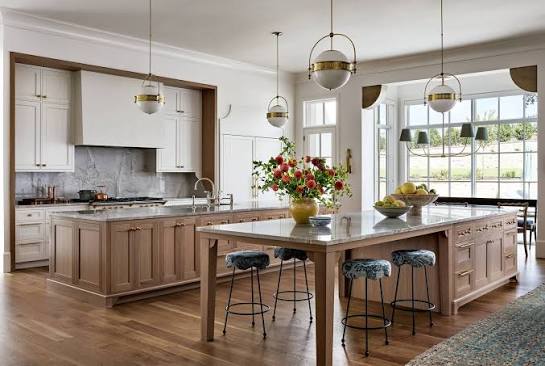
The kitchen is indisputably the absolute center of gravity in the modern home. It is no longer just a closed off culinary workspace designed solely for food preparation. Today, it operates as a multi-functional family headquarters, a social gathering hub for entertaining guests, a makeshift homework station, and a high-traffic zone that heavily dictates the daily operational flow of your household.
Because it serves such a vital lifestyle role, upgrading this room represents one of the most rewarding home improvement projects you can undertake. A thoughtfully planned renovation does more than just inject modern aesthetic luxury into your day to day routine. It systematically fixes structural layout inefficiencies, drastically expands storage, and delivers one of the absolute highest returns on investment available in residential real estate.
However, transforming a dated kitchen into a high-performance culinary masterpiece requires managing a complex matrix of moving parts. To execute a smooth, stress free home transformation, Treasure Valley homeowners must approach construction with a clear understanding of space optimization, proper trade scheduling, and long term material durability.
Designing a High Performance Kitchen Layout
Before you begin browsing through paint chips or selecting luxury cabinet hardware, you must establish a flawless architectural foundation. The ultimate success of your remodel relies entirely on how efficiently a person can move through the workspace during peak meal preparation hours.
Optimization of the Classic Work Triangle
For decades, professional kitchen architects have relied on a fundamental design principle known as the Work Triangle.
                       [ Refrigeration Zone ]
                                /  \
                               /    \
                              /      \
                             /        \
              [ Prep Zone / Sink ] --- [ Cooking Zone ]
As illustrated by this traditional workflow matrix, your layout should position the three most frequented operational hubs—the refrigeration zone, the preparation sink, and the cooking range in a comfortable, unobstructed triangular configuration.
Keeping the walking distance between these three points between four and nine feet ensures you can transition from rinsing vegetables to sautéing without taking unnecessary extra steps or running into physical bottlenecks.
Bypassing Structural Bottlenecks
Modern kitchen design heavily favors expansive, open-concept floor plans that transition smoothly into adjacent living spaces. When planning your layout, carefully trace your household’s daily foot traffic.
Ensure that your refrigerator doors can swing completely open without blocking major walkways, and position your dishwasher close to your main storage cabinets to make unloading dishes completely effortless.
Selecting Premium Durable Materials for Longevity
The kitchen is a harsh, demanding environment subject to intense heat, high humidity, sharp metal impacts, and constant chemical spills. Investing in low tier, fragile surfaces might save money upfront, but it guarantees premature wear and expensive replacement costs down the road.
Selecting materials that offer matching levels of high design and rugged resilience is the key to long term satisfaction.
Custom Solid Surface Countertops
Your countertops serve as the ultimate workhorse of the kitchen, bearing the brunt of daily knife scrapes, hot pots, and dark fluid spills. While traditional natural stones like granite and marble offer beautiful aesthetics, their highly porous cellular structure requires annual chemical sealing to prevent deep staining and bacterial harboring.
To achieve a seamless, low maintenance luxury experience, many modern homeowners are choosing premium solid surfaces and custom engineered stone composites. These advanced materials are entirely non porous, inherently stain resistant, and exceptionally easy to clean without requiring specialized chemical treatments.
Resilient Flooring Choices
Kitchen floors require robust water resistance and comfortable underfoot durability. While traditional hardwood floors add undeniable warmth, they are highly vulnerable to deep water damage from silent refrigerator or dishwasher leaks.
Luxury vinyl plank (LVP) and large format glazed porcelain tiles have emerged as the premier choices for busy households, providing the exact visual textures of natural wood or stone while remaining entirely impervious to heavy moisture and active pet claws.
The Step by Step Renovation Sequence
A comprehensive kitchen overhaul requires a carefully choreographed sequence of independent trades. Understanding the typical operational phases helps you plan your home routine and track contractor progress accurately.
Comprehensive Demolition and Clean Out
1.Comprehensive Demolition and Clean Out
The crew isolates local water and electrical lines, tears out old cabinets, removes broken appliances, strips away damaged flooring, and clears out old drywall faces down to the open wooden wall studs to expose the underlying home structure.
2.Rough In Mechanical Trades and Inspections:
Days 4 through 8.
Licensed plumbers, electricians, and HVAC professionals install new plumbing drain lines, position heavy duty appliance circuits, and route lighting lines. Local municipal code inspectors must formally sign off on this work before walls can be closed.
3.Drywall Installation and Surface Priming
Days 9 through 12.
Carpenters hang heavy moisture resistant drywall sheets over the open wood framing, apply multiple layers of joint compound to smooth the seams, sand the surfaces, and apply a premium antimicrobial primer base coat.
4.Premium Custom Cabinetry Installation
Days 13 through 16.
Installers secure your custom storage units, leveling individual base boxes with extreme care and anchoring upper wall cabinets directly into structural wood studs to ensure they can easily handle massive weight loads.
5.Precision Countertop Templating and Placement
Days 17 through 22.
Fabricators visit your home to perform digital laser mapping over your newly anchored cabinets. The stone panels are cut to size off site in a factory, brought to your home, secured to the cabinets, and sealed flawlessly.
6.Trim Plumbing, Backsplash, and Appliance Hook Up
Final 3 Days.
The finish crew mounts your new sink, connects faucet handles, installs tile backsplashes, slides new appliances into position, completes a deep structural workspace cleaning, and turns a fully functional room back over to your family.
Maximizing Kitchen Organization and Smart Storage
True luxury is as much about structural organization as it is about cosmetic appearance. A common mistake during a remodel is simply duplicating the exact same cabinet space footprint you had previously. A modern design should work aggressively to utilize every single cubic inch of available space.
Instead of traditional, deep lower cabinets that force you to get down on your knees to search for buried pans using a flashlight, choose deep full extension drawer systems. These heavy duty drawers glide open smoothly on ball bearing slides, exposing your entire cookware collection instantly to view.
Furthermore, you can integrate specialized internal accessories, including pull out trash recycling centers, vertical cookie sheet slots, hidden pop up appliance lifts, and rotating corner Lazy Susans, to keep your countertops completely clutter free.
Strategic Value Addition for Real Estate Wealth
If there is a chance you might list your property on the real estate market in the next five to ten years, designing your kitchen with buyer psychology in mind is a highly lucrative move. Appraisers consistently confirm that a modern, highly functional kitchen is the number one feature that drives home valuations upward.
Focus your budget on high-impact upgrades that buyers can instantly see and appreciate. Premium solid surface countertops, custom soft-close cabinetry, under-cabinet LED task lighting, and matching energy efficient appliances create an immediate wow factor.
Bypassing highly eccentric, overly trendy design fads in favor of classic, timeless color palettes ensures your home appeals to a massive pool of potential buyers, maximizing your equity return when it comes time to sell.
FAQs
1.How long does a typical kitchen remodel take from start to finish?
A comprehensive, down to the studs kitchen renovation generally requires anywhere from four to eight weeks of active on site construction labor. This timeline fluctuates based on the overall scale of your layout adjustments, structural wall removals, and the fabrication lead times of your custom solid surface countertops and cabinetry.
2. Can I live in my home during a kitchen remodel?
Yes, it is entirely possible to remain in your home during construction, but it requires careful preparation. Because your kitchen will be a completely non functional workspace for multiple weeks, you should establish a temporary makeshift kitchen in an adjacent room. Set up a microwave, toaster oven, and coffee maker, utilize a mini fridge, and use paper plates to minimize the need to wash dishes in a bathroom sink.
3. What is the single most expensive part of a kitchen remodel?
In a standard residential kitchen renovation, custom cabinetry typically represents the largest single expense, often consuming roughly thirty to forty percent of your total project budget. The remaining costs are generally split between premium countertop materials, high end appliances, plumbing and electrical labor fees, and finish flooring surfaces.
4. How can I lower the overall cost of my kitchen remodel?
The most effective way to lower your overall budget without compromising on material quality is to keep your existing plumbing footprint and structural wall layouts exactly where they are. Moving gas lines, water mains, and structural load bearing walls requires expensive structural framing and extensive trade labor, which can quickly drive up construction fees.
5. Why should I choose custom solid surfaces over traditional tile countertops?
While traditional tile countertops offer low upfront material costs, they are highly impractical for kitchen environments. The hundreds of grout lines required for a tile layout are highly porous, making them prone to absorbing dark fluid spills, fracturing under heavy impact, and harboring dangerous foodborne bacteria. Custom solid surfaces provide a seamless, non porous face that offers superior durability and effortless clean up.